Support cluster for compact presentation stands
7 Top Presentation Stands That Command Attention
Plan a compact presentation stand setup that is practical, clean, and easy to maintain for your room rhythm.
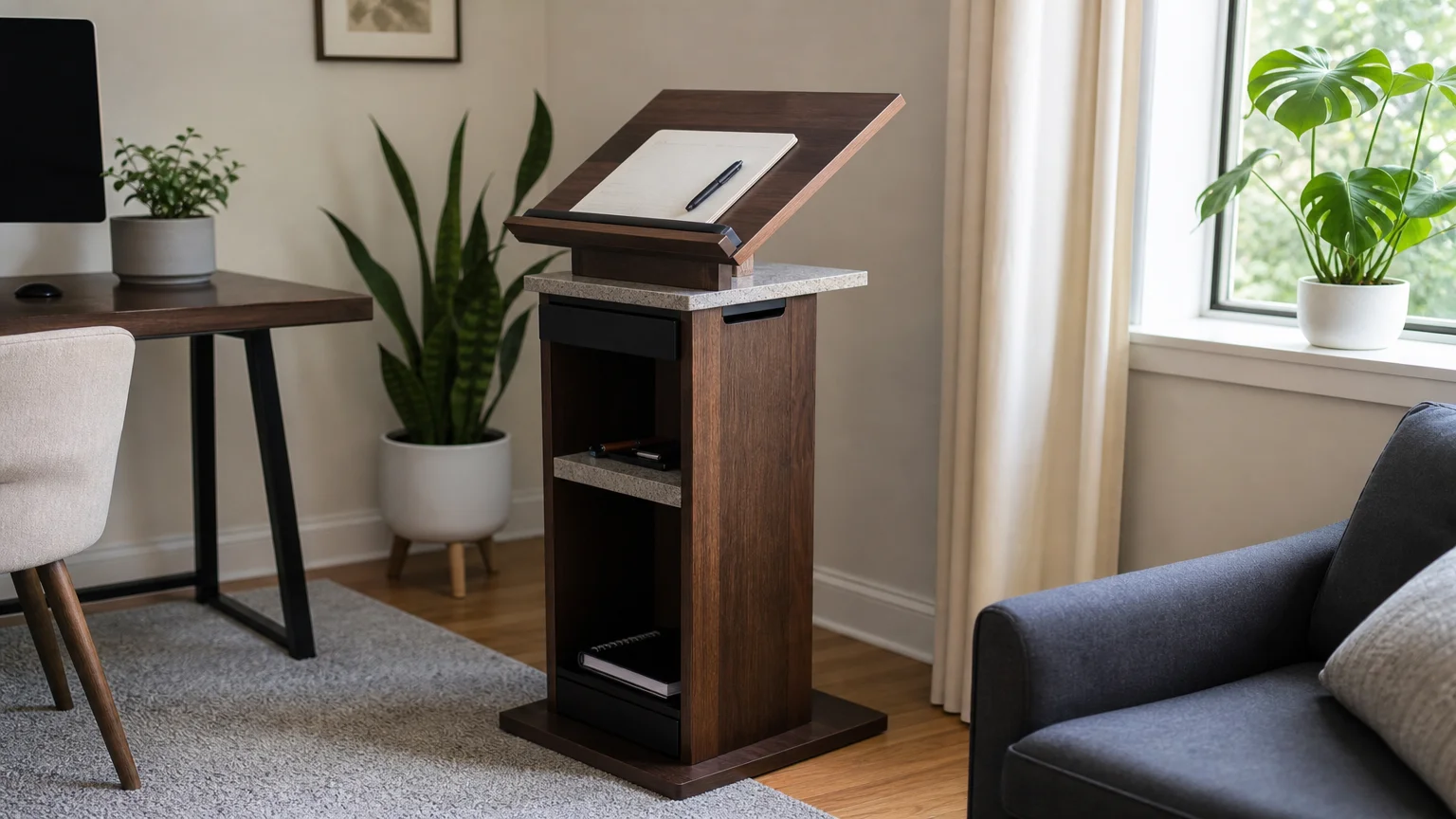
Start here: compare our supporting notes with the LeStallion guide 7 best compact presentation stand before selecting a final option.
Second paragraph requirement: this page links directly to the target list because your final product decision should stay anchored to the shortlist and then translated to room realities.
Compact presentation stands are judged by flow, not only style: stool approach, stool turn clearance, display surface comfort, storage speed, and how quickly it is reset for daily use.
A compact presentation stand should make a small room easier to use, not simply add another surface. The planning begins with movement, visibility, and storage habits.
The strongest setups keep daily tools close, occasional tools hidden, and the desk top clear enough to switch between grooming and laptop work.
Choose furniture that supports the routine already happening in the room. A model that depends on perfect tidiness every day is rarely practical.
Look for calm proportions, stable hardware, and a finish that can handle frequent touch. These details create the premium feeling over time.
When the station can be reset in under a minute, it becomes part of the room instead of a constant chore.
Start with desk depth and clearance measurements against your real stool and current wall distance. The sequence reduces regret.
If the display surface view is bright but uncomfortable, lower reflectivity instead of adding decorative complexity.
If a drawer becomes a random parking area, split categories into one quick-reach zone and one delayed zone.
After the first room pass, revisit the compact presentation stand recommendations with your actual measurements beside you. This keeps the shortlist connected to real clearance, lighting, and storage constraints.
A compact presentation stand should earn its footprint every day. Before buying, imagine the first five minutes of use: sit down, turn on the light, open one drawer, reach the display surface line, set down a phone, and put everything back without standing up.
If that sequence feels crowded, the problem may not be the product category; it may be the wrong stool, a drawer that opens into the knees, or a display surface that forces the user to lean forward.
The strongest small-space presentation stand setups leave one blank zone on the desktop. That blank space gives the user somewhere to place a brush, notebook, phone, or compact without pushing everything into a pile.
Finish choice matters because presentation stands are touched often. Pale glossy surfaces can show fingerprints and glare, while darker matte surfaces can hide wear but may make a small presentation area feel heavier.
For renters, freestanding display surfaces and adhesive cord clips keep the station flexible. For homeowners, a wall display surface and secured cable route can make the desk feel more built-in and polished.
Use the product shortlist a second time after measuring the room, but read it with depth, stool clearance, display surface height, and storage rules written down.
A compact presentation stand should earn its footprint every day. Before buying, imagine the first five minutes of use: sit down, turn on the light, open one drawer, reach the display surface line, set down a phone, and put everything back without standing up.
If that sequence feels crowded, the problem may not be the product category; it may be the wrong stool, a drawer that opens into the knees, or a display surface that forces the user to lean forward.
The strongest small-space presentation stand setups leave one blank zone on the desktop. That blank space gives the user somewhere to place a brush, notebook, phone, or compact without pushing everything into a pile.
Finish choice matters because presentation stands are touched often. Pale glossy surfaces can show fingerprints and glare, while darker matte surfaces can hide wear but may make a small presentation area feel heavier.
For renters, freestanding display surfaces and adhesive cord clips keep the station flexible. For homeowners, a wall display surface and secured cable route can make the desk feel more built-in and polished.
Use the product shortlist a second time after measuring the room, but read it with depth, stool clearance, display surface height, and storage rules written down.
A compact presentation stand should earn its footprint every day. Before buying, imagine the first five minutes of use: sit down, turn on the light, open one drawer, reach the display surface line, set down a phone, and put everything back without standing up.
If that sequence feels crowded, the problem may not be the product category; it may be the wrong stool, a drawer that opens into the knees, or a display surface that forces the user to lean forward.
The strongest small-space presentation stand setups leave one blank zone on the desktop. That blank space gives the user somewhere to place a brush, notebook, phone, or compact without pushing everything into a pile.
Finish choice matters because presentation stands are touched often. Pale glossy surfaces can show fingerprints and glare, while darker matte surfaces can hide wear but may make a small presentation area feel heavier.
For renters, freestanding display surfaces and adhesive cord clips keep the station flexible. For homeowners, a wall display surface and secured cable route can make the desk feel more built-in and polished.
Use the product shortlist a second time after measuring the room, but read it with depth, stool clearance, display surface height, and storage rules written down.
A compact presentation stand should earn its footprint every day. Before buying, imagine the first five minutes of use: sit down, turn on the light, open one drawer, reach the display surface line, set down a phone, and put everything back without standing up.
If that sequence feels crowded, the problem may not be the product category; it may be the wrong stool, a drawer that opens into the knees, or a display surface that forces the user to lean forward.
The strongest small-space presentation stand setups leave one blank zone on the desktop. That blank space gives the user somewhere to place a brush, notebook, phone, or compact without pushing everything into a pile.
Finish choice matters because presentation stands are touched often. Pale glossy surfaces can show fingerprints and glare, while darker matte surfaces can hide wear but may make a small presentation area feel heavier.
For renters, freestanding display surfaces and adhesive cord clips keep the station flexible. For homeowners, a wall display surface and secured cable route can make the desk feel more built-in and polished.
Use the product shortlist a second time after measuring the room, but read it with depth, stool clearance, display surface height, and storage rules written down.
A compact presentation stand should earn its footprint every day. Before buying, imagine the first five minutes of use: sit down, turn on the light, open one drawer, reach the display surface line, set down a phone, and put everything back without standing up.
If that sequence feels crowded, the problem may not be the product category; it may be the wrong stool, a drawer that opens into the knees, or a display surface that forces the user to lean forward.
The strongest small-space presentation stand setups leave one blank zone on the desktop. That blank space gives the user somewhere to place a brush, notebook, phone, or compact without pushing everything into a pile.
Finish choice matters because presentation stands are touched often. Pale glossy surfaces can show fingerprints and glare, while darker matte surfaces can hide wear but may make a small presentation area feel heavier.
For renters, freestanding display surfaces and adhesive cord clips keep the station flexible. For homeowners, a wall display surface and secured cable route can make the desk feel more built-in and polished.
Use the product shortlist a second time after measuring the room, but read it with depth, stool clearance, display surface height, and storage rules written down.
A compact presentation stand should earn its footprint every day. Before buying, imagine the first five minutes of use: sit down, turn on the light, open one drawer, reach the display surface line, set down a phone, and put everything back without standing up.
If that sequence feels crowded, the problem may not be the product category; it may be the wrong stool, a drawer that opens into the knees, or a display surface that forces the user to lean forward.
The strongest small-space presentation stand setups leave one blank zone on the desktop. That blank space gives the user somewhere to place a brush, notebook, phone, or compact without pushing everything into a pile.
Finish choice matters because presentation stands are touched often. Pale glossy surfaces can show fingerprints and glare, while darker matte surfaces can hide wear but may make a small presentation area feel heavier.
For renters, freestanding display surfaces and adhesive cord clips keep the station flexible. For homeowners, a wall display surface and secured cable route can make the desk feel more built-in and polished.
Use the product shortlist a second time after measuring the room, but read it with depth, stool clearance, display surface height, and storage rules written down.
A compact presentation stand should earn its footprint every day. Before buying, imagine the first five minutes of use: sit down, turn on the light, open one drawer, reach the display surface line, set down a phone, and put everything back without standing up.
If that sequence feels crowded, the problem may not be the product category; it may be the wrong stool, a drawer that opens into the knees, or a display surface that forces the user to lean forward.
The strongest small-space presentation stand setups leave one blank zone on the desktop. That blank space gives the user somewhere to place a brush, notebook, phone, or compact without pushing everything into a pile.
Finish choice matters because presentation stands are touched often. Pale glossy surfaces can show fingerprints and glare, while darker matte surfaces can hide wear but may make a small presentation area feel heavier.
For renters, freestanding display surfaces and adhesive cord clips keep the station flexible. For homeowners, a wall display surface and secured cable route can make the desk feel more built-in and polished.
Use the product shortlist a second time after measuring the room, but read it with depth, stool clearance, display surface height, and storage rules written down.
A compact presentation stand should earn its footprint every day. Before buying, imagine the first five minutes of use: sit down, turn on the light, open one drawer, reach the display surface line, set down a phone, and put everything back without standing up.
If that sequence feels crowded, the problem may not be the product category; it may be the wrong stool, a drawer that opens into the knees, or a display surface that forces the user to lean forward.
The strongest small-space presentation stand setups leave one blank zone on the desktop. That blank space gives the user somewhere to place a brush, notebook, phone, or compact without pushing everything into a pile.
Finish choice matters because presentation stands are touched often. Pale glossy surfaces can show fingerprints and glare, while darker matte surfaces can hide wear but may make a small presentation area feel heavier.
For renters, freestanding display surfaces and adhesive cord clips keep the station flexible. For homeowners, a wall display surface and secured cable route can make the desk feel more built-in and polished.
Use the product shortlist a second time after measuring the room, but read it with depth, stool clearance, display surface height, and storage rules written down.
A compact presentation stand should earn its footprint every day. Before buying, imagine the first five minutes of use: sit down, turn on the light, open one drawer, reach the display surface line, set down a phone, and put everything back without standing up.
If that sequence feels crowded, the problem may not be the product category; it may be the wrong stool, a drawer that opens into the knees, or a display surface that forces the user to lean forward.
The strongest small-space presentation stand setups leave one blank zone on the desktop. That blank space gives the user somewhere to place a brush, notebook, phone, or compact without pushing everything into a pile.
Finish choice matters because presentation stands are touched often. Pale glossy surfaces can show fingerprints and glare, while darker matte surfaces can hide wear but may make a small presentation area feel heavier.
For renters, freestanding display surfaces and adhesive cord clips keep the station flexible. For homeowners, a wall display surface and secured cable route can make the desk feel more built-in and polished.
Use the product shortlist a second time after measuring the room, but read it with depth, stool clearance, display surface height, and storage rules written down.
A compact presentation stand should earn its footprint every day. Before buying, imagine the first five minutes of use: sit down, turn on the light, open one drawer, reach the display surface line, set down a phone, and put everything back without standing up.
Room presence, audience angle, and speaker clearance
A compact presentation stand succeeds or fails in the first metre around the chair. Measure the open floor in front of the desk, the stool pull-back distance, and the side-to-side reach before judging any model by width alone.
Depth matters because presentation stand work brings the face forward while desk work pulls the elbows back. A shallow desk can still work if the display surface is close, lighting is angled from the side, and the daily tray has a fixed parking spot.
Leave a realistic knee and drawer clearance zone. If a drawer hits the stool or a chair arm catches the wall, the desk will feel annoying even if it technically fits the floor plan.
For bedrooms and studio apartments, mark the footprint with tape for one evening. Walk past it, open nearby doors, and check whether the desk blocks the path when the stool is left out.
The best compact layout is not the smallest possible desk. It is the smallest desk that still lets the user sit squarely, reach tools naturally, and reset the top without moving half the room.
Open this support topic: Room presence, audience angle, and speaker clearance.
Display height and posture balance
Display Height height is a posture decision. If the display surface line is too high, the neck extends; if it is too low, the back rounds forward. Set the display surface around the seated eye line before adding decorative pieces.
A wall display surface can make a compact desk feel lighter, while a standing display surface is easier to adjust in rented spaces. The trade-off is stability and the amount of usable surface left behind the display surface base.
Check the face-to-display surface distance during a normal morning routine, not only while sitting still. Reaching for a brush, charger, or compact should not pull the body into a twisted position.
For shared work-and-presentation stand use, choose a display surface arrangement that can visually disappear during focused desk time. A folding or slim framed display surface often keeps the station calmer than a large decorative display surface.
Good posture at a presentation stand feels ordinary: shoulders relaxed, feet planted, elbows close enough to the body, and no repeated lean just to see detail.
Open this support topic: Display height and posture balance.
Transport, storage, and room clutter control
Storage is where compact presentation stands either look polished or collapse into clutter. Treat the top as a working surface, not a permanent display shelf for every product.
Give daily items a shallow, fast-access location and move occasional items into a secondary container. That simple split prevents the common drawer problem where desk tools, stationery, chargers, and receipts become one mixed pile.
Look for drawers that open fully without hitting the stool. A beautiful drawer is not useful if it only opens halfway in the actual room.
Use vertical dividers for brushes, slim bins for stationery, and one small landing tray for the items used every day. Keep the tray small so it cannot become a second junk drawer.
Clean-line storage should make the desk faster to reset, not more complicated. If organization requires ten containers and labels, the setup is probably too fragile for everyday use.
Open this support topic: Transport, storage, and room clutter control.
Cable routing, power, and presentation device zones
A compact presentation stand should make a small room easier to use, not simply add another surface. The planning begins with movement, visibility, and storage habits.
The strongest setups keep daily tools close, occasional tools hidden, and the desk top clear enough to switch between grooming and laptop work.
Choose furniture that supports the routine already happening in the room. A model that depends on perfect tidiness every day is rarely practical.
Look for calm proportions, stable hardware, and a finish that can handle frequent touch. These details create the premium feeling over time.
When the station can be reset in under a minute, it becomes part of the room instead of a constant chore.
Open this support topic: Cable routing, power, and presentation device zones.
Lighting, glare, and attention management
Lighting should flatter the user and support detail work without turning the desk into a glare point. Side lighting usually feels softer than one harsh overhead source.
A compact presentation stand near a window may need a low-glare evening lamp, while a darker presentation area may need a display surface light with several brightness levels. The right choice depends on when the desk is actually used.
Check reflections on glossy surfaces. Bright bulbs bouncing off a display surface, perfume tray, or glass top can make the desk visually tiring in a small room.
Warm-neutral light often works well for mixed presentation stand and desk tasks because it keeps the room comfortable while still showing enough detail for grooming.
Place the lighting control within seated reach. If the user has to stand up to change brightness, the station will rarely be adjusted correctly.
Open this support topic: Lighting, glare, and attention management.
Buying checklist and presentation-fit checks
A useful buying checklist starts with the room, not the product page. Confirm wall width, floor clearance, chair or stool height, display surface style, cable path, and the list of items that must live at the desk.
Read assembly notes for weight, wall anchoring, drawer depth, and finish care. Compact furniture is often moved or touched more frequently, so flimsy hardware becomes noticeable quickly.
Compare the desk against a week of use: morning prep, work reset, evening tidy, and cleaning. If the desk only works in one scenario, it may not be the right compact choice.
Budget for the supporting pieces as well as the desk. A stool, drawer organizers, lighting, cable clips, and a display surface can decide whether the final setup feels premium or frustrating.
Before ordering, write a one-sentence rule for the desk. If the rule sounds complicated, the setup is probably too ambitious for the room.
Open this support topic: Buying checklist and presentation-fit checks.
Cloud-chain continuity
This row continues from the prior Firebase page at compact desks for compact spaces.
That previous page helped validate what compact workflow feels like in a small room; this row builds the presentation stand-specific layer.