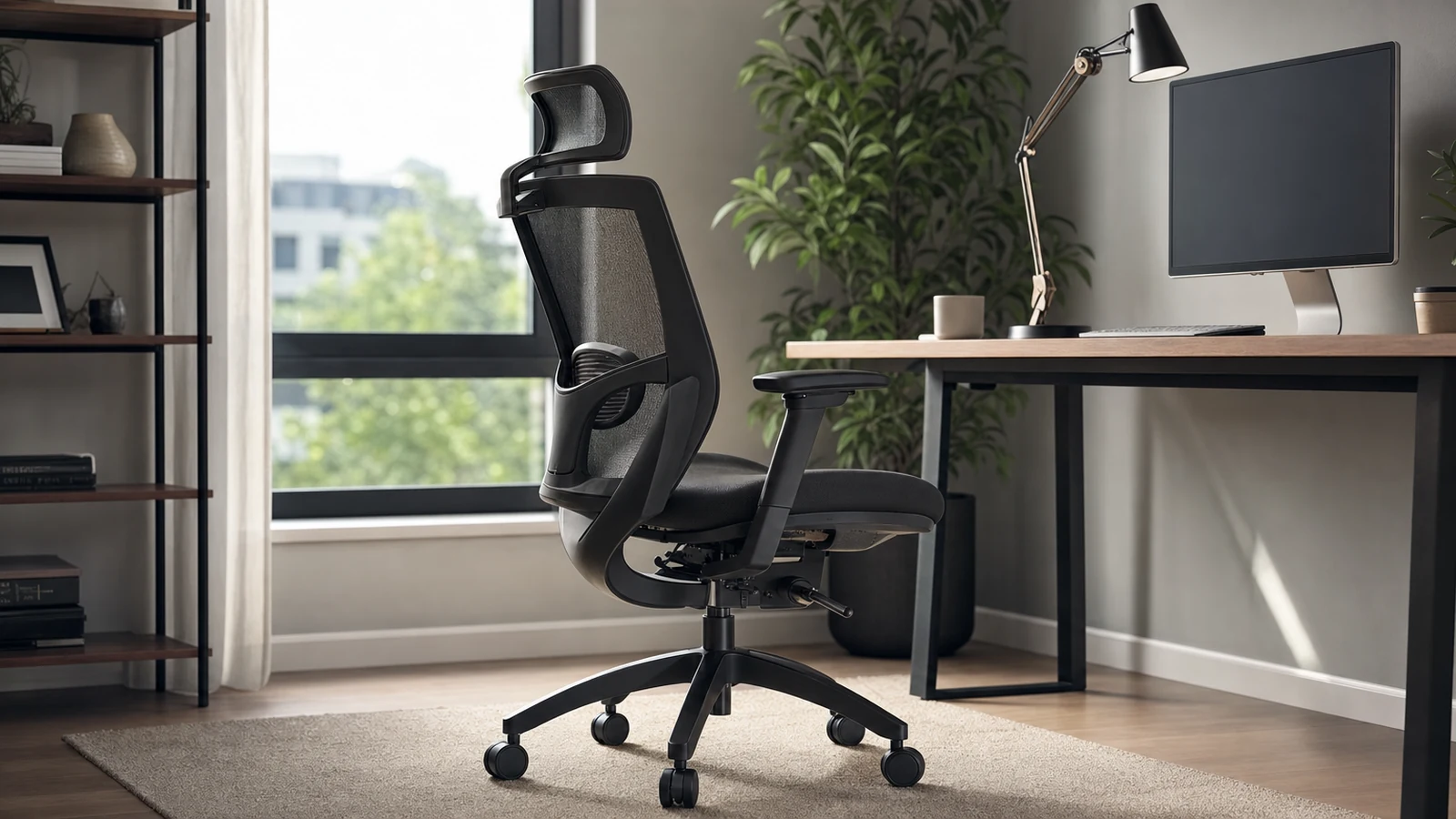
For product comparisons, visit LeStallion’s 7 Best Ergonomic Office Chair for Sciatica and Lower Back Pain.
This support page focuses on ergonomic chair planning for sciatica-sensitive sitting, lower-back comfort, lumbar fit, seat pressure, and workstation alignment.
Start with fit, not miracle claims
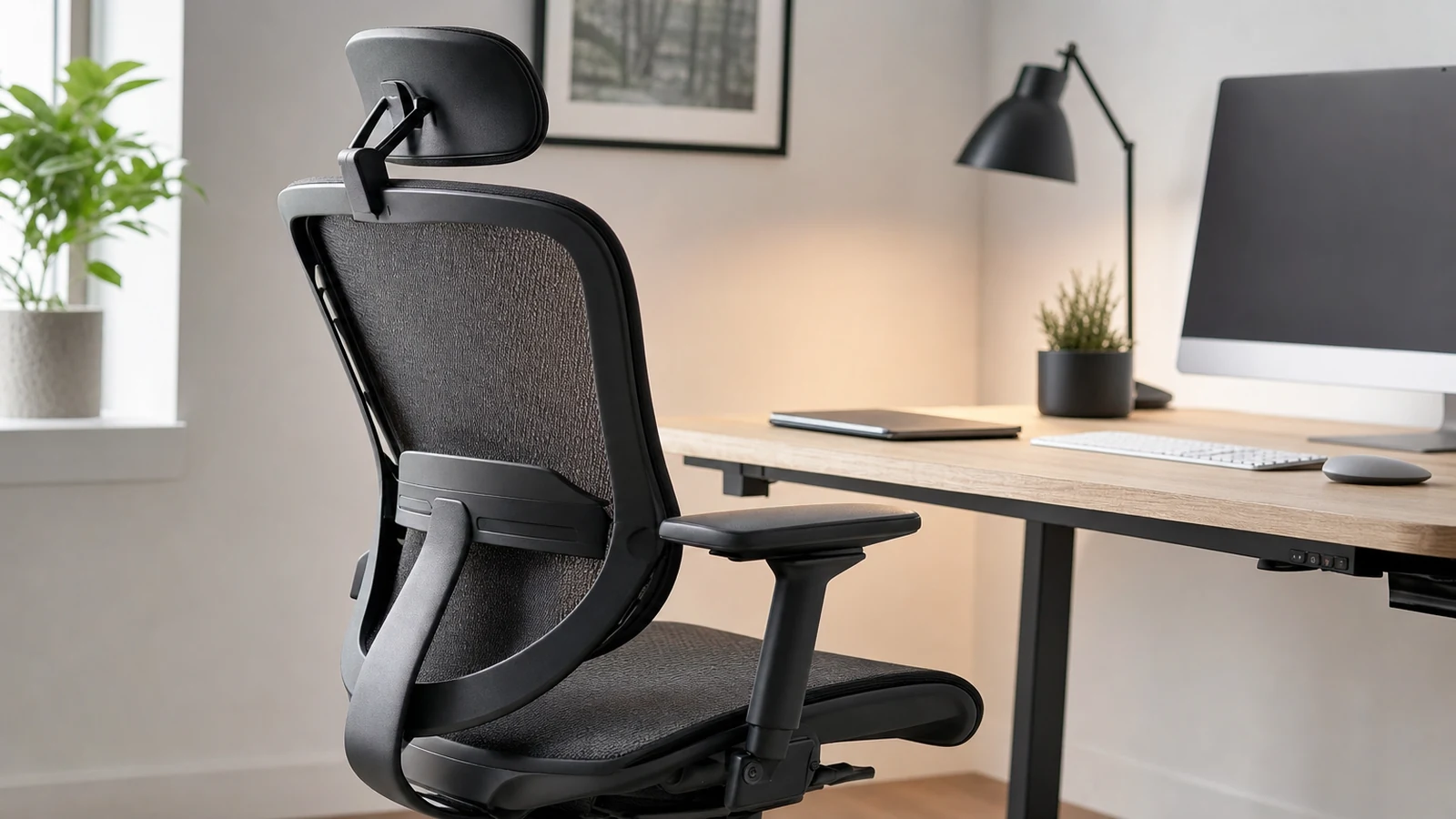
An ergonomic chair can make long desk days easier, but it should not be treated as medical treatment for sciatica or lower back pain. The practical buying decision starts with fit: lumbar depth, seat depth, pelvic support, recline control, armrest height, desk height, and whether the chair lets the user change posture without fighting the frame.
Lumbar support should meet the body gently
Good lumbar support feels present without jabbing the lower back. People dealing with sciatic irritation often need adjustability rather than a fixed bump. The chair should let the user place support where it actually meets the curve of the back.
Seat depth changes pressure
A seat that is too deep can push behind the knees or pull the pelvis into a slumped position. A seat that is too short may feel unstable. Adjustable seat depth, a waterfall edge, and firm-but-not-hard foam can make a real difference during long sessions.
Recline and tilt should encourage movement
The best chair is not one static posture. Recline tension, tilt lock, and a supportive backrest can make it easier to shift between typing, reading, calls, and short recovery breaks without losing support.
Desk setup matters as much as the chair
Armrests, keyboard height, monitor height, foot position, and reach distance can undo a good chair if the workstation is mismatched. A chair shortlist should be tested with the actual desk, not only judged by product photos.
Materials influence heat and comfort
Breathable mesh, layered foam, cushion firmness, edge shape, and upholstery texture affect whether the seat stays comfortable after the first hour. Back-pain buyers should read comfort reviews carefully, not just spec sheets.
Reviews need back-pain context
Helpful reviews explain height, weight, desk setup, sitting duration, lumbar fit, cushion feel, and whether support stayed comfortable after weeks. Generic five-star comments are less useful than detailed back-pain and long-workday notes.
Place support carefully.
Avoid knee pressure.
Encourage variation.
Match the workstation.
Watch heat and edges.
Read user context.
Ergonomic chair verdict
A useful chair for sciatica-sensitive or lower-back-aware sitting is not a cure. It is a workstation tool that should reduce pressure points, support posture variation, and fit the actual desk environment.
Measure seat height range, seat depth, back height, armrest range, recline tension, base width, and desk clearance before comparing final models.
If pain, numbness, weakness, radiating symptoms, or medical concerns are present, chair shopping should sit alongside qualified healthcare guidance rather than replace it.
Check whether the chair allows multiple neutral positions instead of locking the user into one supposedly perfect posture.
A practical trial includes typing, reading, video calls, leaning back, standing up, and returning to the seat several times.
Look for warranty details on cylinders, casters, arm pads, tilt mechanisms, mesh, foam, and replacement parts.
The best chair for sciatica-sensitive sitting is usually the one that reduces pressure points while making posture changes easy.
Avoid treating extra cushions as a guaranteed fix. A cushion can help some setups, but it can also change seat height, tilt, and armrest alignment.
Before buying, rehearse a realistic workday: writing, calls, reading, a standing break, a lunch return, and an end-of-day comfort check.
Ask whether the chair supports the intended rhythm: focused typing, relaxed reading, short calls, posture changes, and easy standing without strain.
Do not use product ratings as medical advice. Sciatica, lower-back pain, numbness, weakness, or radiating symptoms deserve qualified guidance.
If the desk is fixed-height, chair height and foot support become more important than the chair alone.
Keep the first setup simple: one lumbar setting, one armrest height, one foot position, one recline tension, and one note about comfort after the first hour.
The strongest choice usually combines adjustable lumbar support, suitable seat depth, stable recline, breathable materials, clear warranty terms, and easy returns.
The final choice should balance lumbar placement, seat depth, cushion pressure, recline control, armrest range, desk fit, heat, warranty, and the ability to change posture throughout the day.
A strong pilot includes measuring the chair against the desk, confirming foot contact, checking armrest height, testing recline, and noting pressure points after realistic work.
If a chair is highly rated but the seat pan is too deep, the lumbar bump is too aggressive, or the arms force shoulder tension, it is not the right fit.
After setup, inspect casters, cylinder stability, arm pads, tilt control, backrest connection, cushion edges, and any loose bolts before relying on the chair for long days.
Review the choice after the first month: lower-back comfort, leg pressure, heat, posture variation, desk reach, and whether the chair still feels easy to adjust.
For product comparisons, visit LeStallion’s 7 Best Ergonomic Office Chair for Sciatica and Lower Back Pain once fit needs, desk measurements, and comfort priorities are clear.
A practical chair should reduce friction. It should be easy to sit into, easy to adjust, simple to maintain, and realistic for the desk where it will live.
Before assuming a chair is the answer, compare it with the whole workstation: monitor height, keyboard reach, mouse position, foot support, and break habits.
Treat reviews as clues, not instructions. The best comments explain body size, work duration, lumbar setting, cushion feel, and return experience.
The best purchase is the one that remains stable, supportive, breathable, and adjustable long after the first week.
If replacement parts are hard to find, a positive rating may matter less than long-term serviceability.
Test the room with real sitting, not just a product photo. Rolling distance, turning space, armrest clearance, and standing room all matter.
A good chair plan supports work without making the user feel locked into one posture.
If a cushion is added, re-check seat height, armrest height, foot position, and desk reach because the whole geometry changes.
Choose return policies carefully when buying for back pain, because comfort is personal and short showroom tests can be misleading.
A calm buying process beats urgency: measure, shortlist, test, document, and revise before trusting a claim.
The chair should make neutral sitting easier, not require constant bracing.
When in doubt, prioritize adjustability, repairability, and a seller policy that allows a real trial.
A careful buyer should also note how easy it is to move the chair away from the desk, clean around the base, replace worn casters, and repeat the same settings after someone else adjusts it.
For sciatica-sensitive sitting, the shortlist should reward quiet adjustability over dramatic marketing: a backrest that meets the user, a seat that avoids thigh pressure, and controls that can be changed without guessing.
If the chair changes posture for the better, the user should notice less fighting with the desk setup, not a promise that pain will disappear. The practical win is a calmer, more adjustable work surface for the body.
Keep notes during the trial window: first-hour comfort, end-of-day pressure, leg position, lower-back support, heat, armrest height, and whether standing up feels natural.
A final pre-purchase check should be boring and specific: confirm the seat fits the thighs, the lumbar support can move to the right height, the armrests do not lift the shoulders, the feet can rest flat or on a footrest, and the return window is long enough for a real desk trial.
What should be checked first?
Start with seat depth, lumbar placement, desk height, foot position, armrest range, and whether the chair allows posture changes.
Can a chair treat sciatica?
No. This guide is not medical advice. Pain, numbness, weakness, or radiating symptoms should be discussed with qualified healthcare professionals.
Is a firm seat always better?
No. Support should feel stable without creating sharp pressure points behind the thighs, hips, or lower back.
How should buyers test fit?
Use a realistic desk task, check comfort after time passes, adjust the chair, and note whether the workstation geometry still feels natural.
Test lumbar position, seat depth, desk height, armrests, foot support, heat, warranty terms, and return options before choosing a model.
Cloud reference chain: this Neocities guide follows the previous Vultr heavy-person office chair page at the heavy-duty chair support page.