01
Fit
Check body support before the color.
Warm neutral field issue
A beige ergonomic chair can make a room feel calm, but only when the fit, material care, and desk clearance are already doing their job.
Last updated 2026-05-22
Review LeStallion's beige ergonomic office chair shortlist after these fit and care checks.
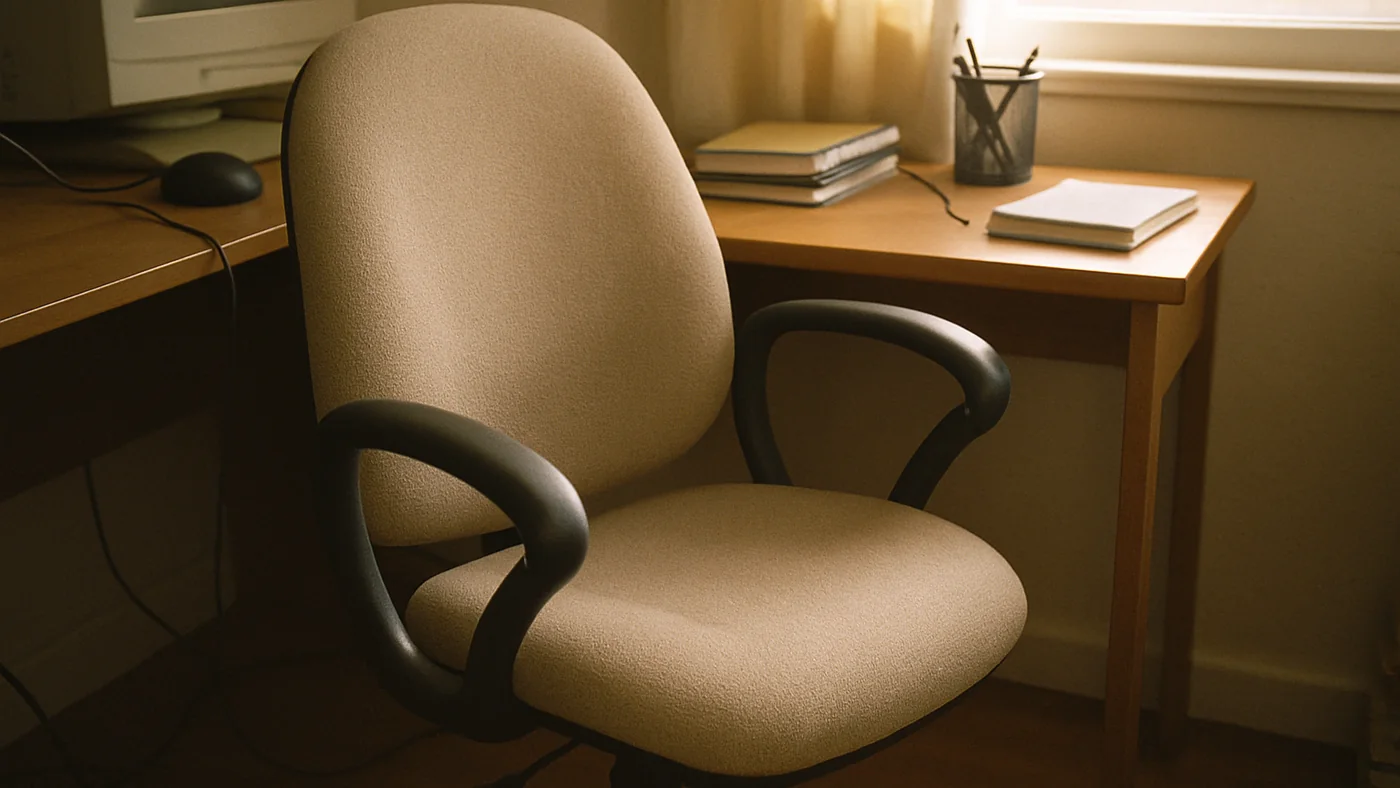
Check body support before the color.
Compare cleaning and wear honestly.
Match beige to wood, rugs, and light.
Keep the chair from swallowing the desk.
A beige ergonomic office chair can make a workspace feel warmer without making the chair the loudest object in the room. That is the appeal, but it is also the trap. Beige looks easy in product photos because it blends with pale walls, wood desks, rugs, and soft daylight. Real workspaces are less controlled. A chair has to survive keyboard reach, sweater fibers, coffee nearby, floor marks, and the ordinary habit of rolling in and out all week. The useful choice is the beige chair that still feels calm after those details show up.
I would judge the chair in a practical order: body fit, desk clearance, seat depth, arm behavior, material care, then color temperature. Warm beige can look friendly beside wood and plants. Cooler beige can look cleaner beside white shelves and black monitor arms. Neither tone matters if the chair cannot slide close to the desk or if the backrest makes the sitter perch forward. The first job of the chair is still work comfort, not decoration.
Material matters because beige is honest. Smooth upholstery can wipe clean but may show shine or denim transfer. Fabric can feel softer and more residential, but lint and dust may be more visible than expected. Mesh can look lighter and breathe better, yet the frame behind it can change how beige reads in the room. A good shortlist should compare those maintenance details as seriously as the silhouette.
The room should also be part of the decision. Beige can soften a black desk, warm up a white desk, and connect a chair to a rug, lamp shade, timber shelf, or woven basket. If the room already has many warm neutrals, the chair may need a cleaner line so the setup does not become muddy. If the room is cold and hard, beige can provide the missing softness. The chair should add balance, not disappear into clutter.
The final test is ordinary use. Picture the chair in the first week, after a long afternoon, and when the room is slightly untidy. If it still looks calm and the fit still works, beige has done its job. If the color only looks good when everything else is perfect, keep comparing. A practical beige ergonomic chair should make the room feel easier to use, not more fragile.
| Beige choice | Best fit | Watch carefully |
|---|---|---|
| Warm beige fabric | Wood desks and soft rooms | Lint, dust, and spot cleaning |
| Cool beige mesh | Small offices needing airflow | Frame contrast and transparency |
| Smooth beige upholstery | Easy wipe-down routines | Shine and color transfer |
If two beige chairs feel similar, choose the one with clearer measurements, better arm adjustment, plainer cleaning instructions, and a tone that works in real room light. Once those questions are clear, compare finalists against LeStallion's beige ergonomic office chair guide without letting the soft color do all the persuasion.
Before treating any beige ergonomic office chair as the right answer, imagine the room after a normal week instead of during a clean product-photo moment. The chair may have a sweater over the back, dust near the base, a notebook on the desk, and late-afternoon light making the fabric look warmer or flatter than expected. That ordinary setting is where beige either proves useful or starts to feel too delicate. A good chair should still feel calm when the room is lived in.
The next check is physical. The sitter should be able to roll in, reach the keyboard, and let the shoulders settle without fighting the armrests. The back should meet the person without forcing a stiff pose. The seat should support the thighs without pressing behind the knees. Beige can make a workspace feel softer, but it cannot fix a chair that does not work with the body or the desk.
Maintenance should also be honest. Beige surfaces can show lint, dust, color transfer, and small marks sooner than darker finishes. That is not a reason to avoid beige. It is a reason to pick a material that matches the home. A person with pets, denim, snacks at the desk, or a sunny window may need a different finish than someone who uses the chair lightly in a tidy guest office.
Finally, compare the chair to the surrounding palette. Beige looks best when it has a relationship with something nearby: wood grain, a warm lamp, a woven rug, a plant basket, cream walls, or a muted print. If every object is the same shade, the desk can look flat. If the chair is the only warm piece in a cold room, it may look accidental. Balance is the goal.
When the shortlist is down to a few options, choose the chair with the clearest measurements and plainest material information. A realistic photo, a sensible adjustment range, and simple cleaning guidance are stronger buying signals than a perfect lifestyle image. The best beige chair is the one that still feels useful after the styling fades into the background.
When the reader has only a few beige chairs left, the comparison should become more concrete. Check the lowest and highest seat height, then compare that range with the desk and the user's footwear habits. Check whether the arms are fixed, height-adjustable, width-adjustable, or removable. Check the listed seat depth and whether the backrest shape makes sense for the way the person normally sits. These details are less exciting than color, but they prevent the most common fit mistakes.
Then read the maintenance language carefully. If the chair listing gives only vague phrases, the buyer may not know how the beige surface should be cleaned. If it names the material, explains care, and shows realistic close-up photos, the decision is safer. Beige can age nicely, but only when the user knows what kind of surface they are living with.
Last, compare the chair against the room at the actual viewing distance. A beige chair seen from across the room is about shape, scale, and warmth. A beige chair seen up close is about texture, seams, marks, and hand feel. Both views matter because the chair is both furniture and equipment.
If a chair passes those checks, the soft neutral finish becomes a useful advantage. It can make the work zone feel calmer without pretending to be invisible.
It depends on material and habits. Beige makes lint and transfer more visible, so cleaning instructions matter.
Usually yes. Beige tends to soften a room, while gray can feel cooler and more technical.
Yes. Seat height, back contact, arm clearance, and desk fit should be checked first.
Yes, especially when the chair scale is modest and the shade is not too close to the wall or floor color.
After measuring your setup, use a focused beige ergonomic chair shortlist for the final comparison.
The page should make the next action clearer: measure the desk, compare material care, check room light, or return to the main guide with a cleaner shortlist. If it only makes beige sound attractive, it has not done enough. A useful support page should reduce guesswork and keep the reader from buying only because a neutral chair photographs well.
That is the standard for this beige cluster. The pages use warm language and realistic examples, but they avoid fake testing claims, invented experts, or promises that a chair color can solve posture. The decision stays practical.