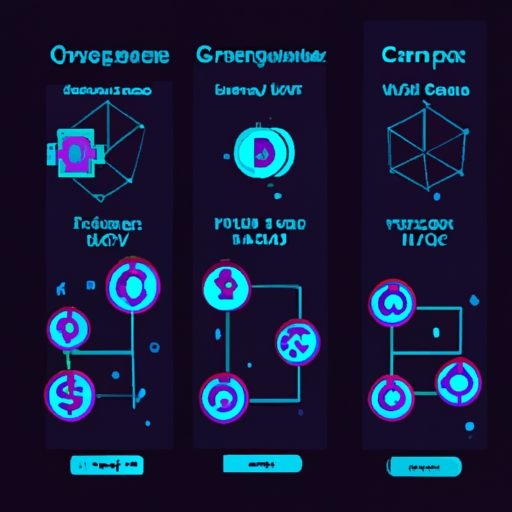
Key Components of Metaverse in Gaming
When discussing the key components of the metaverse in gaming, especially within the Web3 game design frameworks, it's essential to understand how these concepts fit together to create a cohesive experience. What are the Challenges Facing Designers in Creating Engaging Web3 Games? . The metaverse isn't just a virtual world (it's more like a universe of possibilities), and within the realm of Web3, it's taking gaming to a whole new level. But let's not kid ourselves; it's not all that simple.
First, let's talk about decentralization. In Web3 gaming, decentralization is crucial. It ensures that no single entity holds all the power, giving players more control over their in-game assets. This means players can actually own their items, and they're free to trade them as they please. Isn't that a game-changer? However, don't think for a second that this makes everything flawless. It does introduce complexities in terms of security and governance.
Next up, we have interoperability. This is the idea that assets and characters can move between different games and platforms. Imagine your favorite sword from one game being usable in another. Sounds neat, right? But hey, it's not always rainbows and butterflies. Implementing true interoperability across various platforms is no walk in the park. Developers face technical and creative challenges that aren't easy to overcome.
Virtual reality (VR) and augmented reality (AR) are also key components. They offer immersive experiences that make the metaverse feel more real. Within the Web3 framework, these technologies are harnessed to create experiences where players can interact with the environment and with each other in a truly engaging way. But let's be honest, not everyone has a VR headset just lying around, so it's not accessible to all.
Social interaction is another cornerstone of the metaverse within Web3 games. Players want to connect, collaborate, and compete with others. Whether it's through voice chat, live events, or community-driven content, the social aspect can't be ignored. Yet, this doesn't mean it's easy to build vibrant communities. It requires ongoing effort to keep players engaged and excited.
Economies within the metaverse are also significant. These aren't your typical in-game economies; they're complex systems involving cryptocurrencies and NFTs. Players can earn, buy, sell, and trade assets in a way that mirrors real-world economics. But hey, not every player is thrilled about the idea of mixing real money with gaming. It adds a layer of risk and complexity that some might find off-putting.
In conclusion, the metaverse in Web3 gaming is an intricate tapestry of technologies and concepts that are reshaping how we think about games. It's a thrilling frontier, yet it's not without its hurdles. As the industry continues to evolve, it'll be fascinating to see how these components come together to create new and exciting experiences for gamers around the world. So, keep your eyes peeled for what's next, because this journey is far from over!
Integration of Blockchain in Web3 Games
The integration of blockchain in Web3 games is revolutionizing how we think about metaverse concepts within game design frameworks. It's not just about creating immersive environments but also about introducing new ways for players to interact and transact. Now, you might wonder: what exactly is this metaverse in the context of Web3 games? At its core, the metaverse is a virtual universe (kind of like a digital playground) where users can engage with each other and their environment in real-time. And blockchain? Well, it's the technology that's making this all possible!
Blockchain introduces the idea of decentralized ownership, which is a game-changer (pun intended!) in Web3 games. Unlike traditional games where players don't really own the items they acquire, blockchain allows for true ownership through non-fungible tokens (NFTs). These NFTs can represent anything from in-game assets to virtual land, meaning players can trade, sell, or even lend them as they see fit. This brings a level of player agency that's never been seen before. However, it doesn't mean the challenges aren't there. Security and scalability are significant concerns that developers must address.
Now, let's talk about creators. They stand to gain a lot from this shift. With blockchain, game developers can set up smart contracts that automatically pay royalties whenever an in-game item is resold. This opens up new revenue streams and, honestly, makes the whole process more transparent. But hold on-it's not all rosy. There are still issues like high transaction fees and slow processing times that need solving. Yet, the potential benefits far outweigh these drawbacks.
One of the most exciting metaverse concepts is interoperability. Imagine taking your favorite sword from one game and using it in another! Blockchain makes this possible by providing a standardized way to manage digital assets across different platforms. So, players are not confined to a single game world; they can explore multiple universes with their assets intact. It sounds like science fiction, but it's becoming a reality.
But wait, there's more! Community-driven development is another emerging concept facilitated by blockchain. Players can have a say in the development of the game through decentralized autonomous organizations (DAOs). By holding a certain amount of a game's token, players can vote on changes and updates, making the gaming experience more democratic than ever before. However, this doesn't mean developers lose control; they still guide the overall vision of the game.
In conclusion, the integration of blockchain in Web3 games is ushering in a new era for the metaverse. It's not just about flashy graphics or expansive worlds; it's about creating a truly immersive and interactive environment where players have real control and ownership. While challenges exist, the opportunities are too exciting to ignore. So, here we are, on the brink of a digital revolution-let's embrace it!
Virtual Reality and Augmented Reality in Metaverse
In recent years, the terms "Virtual Reality" (VR) and "Augmented Reality" (AR) have become buzzwords, especially when discussing the Metaverse. These concepts are carving out their unique niches within the Web3 game design frameworks, and it's nothing short of fascinating! However, let's not pretend that everything's perfect; there are challenges and limitations that can't be ignored.
Firstly, when we talk about VR in the Metaverse, we're diving into a world that's fully immersive. Players can escape their mundane realities and enter an entirely new universe where they can interact with others in a 3D environment. It's like teleporting to another world, without leaving your seat. But, VR's not without its hurdles. High costs and technical barriers can make it inaccessible to many. Not everyone's got the latest VR headset or a computer powerful enough to support it, which means not everyone can participate in this digital escapade.
On the other hand, AR offers a slightly different experience. Instead of immersing you in a totally virtual world, it overlays digital information onto the real world. Imagine walking down the street and seeing digital creatures or game elements appear right in front of you! It's a blend of the real and the digital that's both thrilling and practical. Yet, it's not all sunshine and rainbows here either. AR depends heavily on mobile devices and their capabilities, which can sometimes fall short, leading to a less-than-ideal experience.
Now, in the context of Web3 game design frameworks, VR and AR are opening up new avenues for creativity and interaction. Web3, with its decentralized ethos, aims to give more power to players, and VR and AR can enhance this by creating more engaging and personalized experiences. Players can have a say in the virtual worlds they inhabit, influencing game narratives and outcomes in ways that were unimaginable before. But let's be real, these technologies are still evolving, and there are many questions about interoperability and standardization that remain unanswered.
What are Metaverse Concepts Within Web3 Game Design Frameworks? - revenue
- contracts
- deep understanding
- non-fungible tokens
Moreover, the Metaverse isn't just about technology, it's also about community and culture. The integration of VR and AR within Web3 frameworks can foster a sense of belonging and shared experience among players. They can meet, collaborate, and even compete in ways that transcend geographical boundaries. Yet, it's crucial to remember that not everyone is ready to embrace these changes. There's a learning curve, and some might be skeptical about the implications of these technologies on privacy and personal data.
In conclusion, while VR and AR are paving the way for exciting possibilities in the Metaverse, it's important to acknowledge that these concepts are still in their infancy within Web3 game design frameworks. They're not without their flaws, and not everyone's on board just yet. But hey, isn't that what makes this journey so intriguing? As these technologies continue to evolve, they'll surely redefine our understanding of gaming and digital interaction in the Metaverse. So, let's keep an open mind and see where this adventure takes us!
Decentralized Economies and NFTs in Game Design
Decentralized economies and NFTs have become pivotal in shaping the landscape of game design within the expansive realm of the metaverse. When we talk about metaverse concepts within Web3 game design frameworks, we're discussing an evolution that blurs the lines between digital and physical worlds. But hey, it's not just about fancy graphics or immersive environments; it's about reimagining ownership and value in these virtual spaces.
At the heart of this transformation are decentralized economies. Unlike traditional gaming models where a central authority dictates terms, decentralized economies empower players. They can trade, buy, or sell in-game assets using cryptocurrencies, which adds a layer of genuine financial interaction. Isn't that cool? Players aren't just passive participants anymore; they're active contributors to the game's ecosystem. This shift fosters a sense of community and collaboration that's rarely seen in centralized platforms.
NFTs, or non-fungible tokens, are another cornerstone of metaverse concepts. These unique digital assets ensure that players truly own their in-game items, which can range from rare weapons to exclusive skins. NFTs are immutable and cannot be replicated, giving players a sense of authenticity and rarity. But let's not kid ourselves; NFTs are not without controversy. Critics argue that they contribute to environmental concerns due to the energy-intensive nature of blockchain technology. However, developers are actively seeking more sustainable solutions.
Incorporating NFTs into game design opens up endless possibilities. Imagine a world where a sword you've crafted in one game can be used in another-thanks to the interoperability that Web3 promises. This kind of cross-platform integration is a game-changer, quite literally! It challenges the notion of game boundaries and offers players a seamless experience across different virtual worlds.
While the metaverse sounds like a utopia, it's not without its challenges. Security concerns, regulatory issues, and the digital divide are real hurdles that need addressing. Yet, the potential outweighs the pitfalls. As developers and players navigate these uncharted waters, the focus remains on creating inclusive, equitable spaces that reflect the diversity of the real world.
In conclusion, the metaverse concepts within Web3 game design frameworks are not merely about technological advancements. They represent a paradigm shift in how we perceive games, ownership, and interaction. Decentralized economies and NFTs are at the forefront, driving this change by offering players unprecedented control and creative freedom. As we look to the future, one thing's for sure: the game design landscape will never be the same again.
Social Interactions and Community Building in Virtual Spaces
In the rapidly evolving world of digital innovation, the intersection of social interactions and community building in virtual spaces is gaining prominence, especially within the metaverse concepts integrated into Web3 game design frameworks. The metaverse-it's a term buzzing around tech circles, but what does it really mean in the context of Web3 gaming?
Metaverse concepts emphasize creating immersive, interactive environments where users can engage with each other in ways that aren't possible in conventional games. These virtual spaces are not just about playing games; they're about creating experiences, communities, and even economies. Unlike traditional games, where interactions are mostly limited to the game's mechanics, the metaverse aims to blur these boundaries, forming a digital ecosystem that mirrors aspects of real life (and then some).
In Web3 game design, the focus is on decentralization and user empowerment. Players are not merely consumers but active participants and stakeholders in the gaming community. They can own, trade, and create digital assets within the game, thanks to blockchain technology. This ownership aspect fosters a sense of belonging and investment in the virtual world. However, it's not just about ownership. The social interactions within these spaces are crucial to building vibrant communities. Players collaborate, compete, and communicate, forming bonds that can transcend the virtual world.
Yet, it's not all roses and sunshine. Designing such intricate virtual spaces comes with challenges. Ensuring privacy, dealing with digital harassment, and maintaining a balanced in-game economy are hurdles that developers face. Moreover, not all players are eager to embrace the complexities of blockchain technology, which can be a barrier to entry for some. Developers need to strike a balance between innovation and accessibility to ensure that these virtual spaces are inclusive (and not exclusionary).
Oh, and let's not forget the role of creativity and expression in these spaces! Players can customize their avatars, build virtual homes, and even host events, adding layers of personalization and engagement. This freedom of expression is a significant draw for many users, allowing them to showcase their identities in a way that feels authentic and personal.
In conclusion, the metaverse concepts within Web3 game design frameworks are reshaping how we perceive social interactions and community building in virtual spaces. They offer exciting opportunities for innovation and connection, albeit with a fair share of challenges. As these technologies continue to evolve, it will be fascinating to see how they shape our digital social landscapes. Who knows, maybe the virtual worlds of the metaverse will become as familiar and indispensable as our own neighborhoods!
Challenges and Opportunities in Metaverse Game Development
The metaverse is a fascinating frontier in the realm of game development, particularly when intertwined with the principles of Web3. As we dive into the metaverse concepts within Web3 game design frameworks, we encounter both challenges and opportunities that are shaping this digital landscape.
First and foremost, the metaverse isn't a monolithic concept; it's a vibrant, interconnected digital universe where players (or participants, rather) interact in real-time. Within Web3, the metaverse takes on new dimensions with decentralization, ownership, and digital economies at its core. One might think of it as a virtual world that leverages blockchain technology to empower users with genuine ownership of in-game assets. These assets aren't just for show-they have real value outside the game! However, designing these assets and ensuring their seamless interoperability across various metaverse platforms isn't a walk in the park.
Now, let's talk about decentralization. It's supposed to be a game-changer in the gaming world, yet it's not without its hiccups. Developers face the daunting task of creating a fair and secure environment that lives up to the decentralized ethos. They must ensure that the players' data and assets are protected, while also maintaining a level of transparency that users can trust. This juggling act can be quite tricky, no doubt about it. But hey, it's not all bad news! The opportunity here lies in crafting a gaming experience that's not only immersive, but also empowers players by giving them control over their virtual identities and possessions.
Interoperability is another buzzword we can't ignore. In an ideal metaverse, players should be able to hop between different games and platforms with their assets in tow. But alas, achieving this level of seamless interaction is easier said than done. Developers need to collaborate and agree on certain standards and protocols to make this dream a reality. It's a tough nut to crack, but if they succeed, the possibilities are endless.
One can't overlook the community's role in this whole framework. Web3 game design is inherently community-driven, and the players are not just passive consumers. They're active participants who contribute to the game's development and evolution. This participatory design model offers a unique opportunity for developers to engage with their audience in ways that were previously unimaginable. Yet, it also presents the challenge of balancing player input with the core vision of the game. After all, too many cooks can spoil the broth, can't they?
In the end, the integration of metaverse concepts within Web3 game design frameworks is a journey filled with both challenges and opportunities. The path forward may be riddled with obstacles, but the potential rewards are too significant to ignore.
What are Metaverse Concepts Within Web3 Game Design Frameworks? - decentralized autonomous organizations
- decentralized autonomous organizations
- players
- revenue
Future Trends in Web3 and Metaverse Gaming
In recent years, the buzz around Web3 and the Metaverse has captured the imagination of gamers and developers alike. These concepts, while closely tied, are not exactly the same, and it's essential to understand their nuances to grasp how they're reshaping the gaming landscape.
Web3, often dubbed the decentralized web, is about giving power back to the users by leveraging blockchain technology. It's a shift away from centralized control, allowing for greater transparency, ownership, and security (pretty cool, right?). Within the Web3 game design frameworks, Metaverse concepts play a pivotal role, offering new avenues for interaction and immersion. But what are these Metaverse concepts that everyone seems to be talking about?
Firstly, the notion of a persistent virtual world is central to the Metaverse. Unlike traditional games, where the world resets or changes only when the player logs in, Metaverse environments continue to evolve even when you're not around. Characters and events progress in real-time, creating a dynamic space that mirrors the unpredictability of the real world. Isn't it fascinating how your game could have changed while you were asleep?
Secondly, interoperability is a critical aspect of Metaverse in Web3 games.
What are Metaverse Concepts Within Web3 Game Design Frameworks? - players
- traditional games
- gameplay
- web3 gaming industry
But let's not get ahead of ourselves. While these ideas are thrilling, the implementation is not without its challenges. High computational demands, privacy concerns, and the need for robust security measures are just a few hurdles developers face. Plus, not everyone is on board with the idea of decentralization, which can slow down the adoption of these technologies.
Moreover, social interaction takes on a new dimension in the Metaverse. Players can engage not just with each other but with AI-driven characters that learn and adapt over time. This kind of interaction creates a sense of community and continuity, drawing players back into the game. However, the line between reality and virtual reality can blur, which might not be everyone's cup of tea.
In conclusion, the integration of Metaverse concepts within Web3 game design frameworks is set to revolutionize the gaming experience. It promises more than just a game; it offers a living, breathing world where players have unprecedented control and connectivity. Yet, as with any innovation, it comes with its set of challenges and skeptics. Will the Metaverse become the new norm in gaming? Only time will tell, but one thing's for sure-it's an exciting time to be part of this digital evolution!